Many professionals reach a stage where they want to explore a new industry or career path. Whether you are moving from hospitality to sales, retail to administration, or customer service to human resources, a career change can open exciting opportunities.
Understand Your Reasons
Before making a career transition, identify why you want to change careers.
Common reasons include:
- Better salary opportunities
- Career growth
- Improved work-life balance
- Increased job satisfaction
- New interests and passions
Identify Transferable Skills
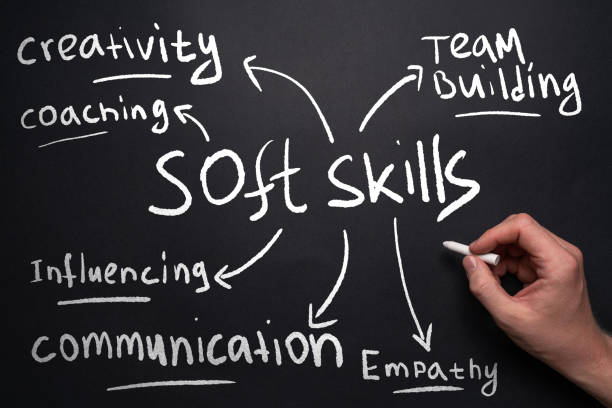
Many skills can be applied across industries.
Examples include:
- Communication
- Teamwork
- Leadership
- Customer service
- Problem-solving
- Time management
Highlight these skills when applying for new roles.
Gain Relevant Knowledge
Consider:
- Online courses
- Industry certifications
- Professional workshops
- Networking events
Learning new skills demonstrates commitment and preparation.
Update Your CV
Tailor your CV to emphasize transferable skills and achievements relevant to your new career path.
Recruiters need to understand how your previous experience can benefit their organization.
Build a Professional Network
Networking is often one of the fastest ways to discover new opportunities.
Connect with professionals in your target industry through:
- Industry events
- Professional associations
Be Prepared for Challenges
Career changes may require:
- Additional training
- Entry-level positions
- Temporary salary adjustments
Stay focused on your long-term goals.
Conclusion
Changing careers can be challenging, but it can also be one of the most rewarding decisions you make. With careful planning, continuous learning, and persistence, you can successfully transition into a new profession and achieve long-term career growth.