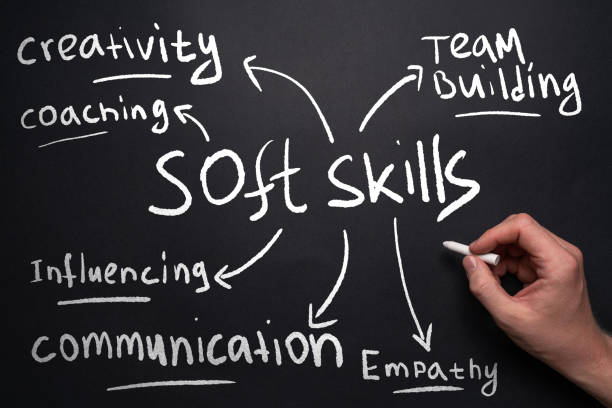
Technical skills may help you secure a job, but soft skills often determine long-term career success. Employers throughout the GCC increasingly seek candidates who can communicate effectively, collaborate with others, and adapt to change.
What Are Soft Skills?
Soft skills are personal qualities and interpersonal abilities that influence how you work with others.
Examples include:
- Communication
- Teamwork
- Leadership
- Adaptability
- Emotional intelligence
- Problem-solving
Why Employers Value Soft Skills
Organizations need employees who can:
- Build positive relationships
- Resolve workplace conflicts
- Work effectively in teams
- Deliver excellent customer service
- Adapt to changing business needs
Communication Skills
Strong communication helps employees:
- Share ideas clearly
- Understand instructions
- Improve customer interactions
- Build professional relationships
Teamwork and Collaboration
Modern workplaces depend on cooperation. Employees who support colleagues and contribute positively to team goals are highly valued.
Adaptability
Technology and business environments continue to evolve rapidly. Adaptable employees can learn new systems and adjust to changing responsibilities.
Leadership Potential
Employers appreciate individuals who take initiative, motivate others, and contribute solutions even when they are not in management positions.
How to Improve Soft Skills
You can develop soft skills by:
- Practicing active listening
- Seeking feedback
- Participating in team projects
- Taking leadership opportunities
- Attending professional development programs
Conclusion
Soft skills play a critical role in career success. By continuously improving communication, teamwork, adaptability, and leadership abilities, professionals can increase their value to employers and unlock greater career opportunities.